
Durable Plastic Carry Handles That Transform Your Packaging Experience
Plastic carry handles for packaging are your solution for easily transporting heavy or awkward boxes, bottles, and bags without strain. They simply clip, snap, or slide onto existing packaging to create a comfortable, ergonomic grip. This instantly transforms a bulky load into a manageable one, protecting your hands from sharp edges and reducing the risk of accidental drops. You can effortlessly carry more items in a single trip, making your daily tasks safer and more efficient.

Why Integrated Handles Are Reshaping the Packaging Industry
Integrated handles are reshaping the packaging industry by eliminating the need for separate, attached plastic carry handles. This shift reduces material waste during manufacturing and simplifies the user experience—no more fumbling to snap on a flimsy handle. The handle is molded directly into the container, creating a seamless, stronger load-bearing point that won’t detach during transport.
This design also improves stacking stability and prevents the handle from snagging on other packages, a common failure of add-on plastic carry handles.
For bulk purchases like water jugs or laundry detergent, this integration provides a reliable, ergonomic grip that feels substantial, directly enhancing consumer confidence and ease of use without extra parts or labor.
Consumer Demand for Portability in Bulk and Retail Goods
Consumers increasingly expect bulk and retail goods to be easily transportable from store to home without secondary bags. This demand drives the need for integrated plastic carry handles on large containers like water jugs, laundry detergent bottles, and pet food bags. For everyday household purchases, a built-in handle eliminates the struggle of shifting awkward weight between hands or searching for a cart. Shoppers actively choose packs with enhanced grip ergonomics that allow secure, single-handed carrying during transit. In retail settings, portability also influences impulse purchases of bulky items, as an integrated handle signals convenience and reduces perceived effort for the buyer.
Consumer demand for portability in bulk and retail goods centers on effortless, single-handed carry from shelf to vehicle, directly shaping handle integration in packaging.
Reducing Waste Through Handle Integration Versus Separate Accessories
Integrated handles eliminate the secondary plastic and adhesive waste from separate accessories like pre-applied tape loops or clipped-on buckles. By molding the carry solution directly into the container’s body, manufacturers avoid the material overhead of producing, packaging, and shipping standalone parts. This direct waste reduction simplifies the end-of-life stream, as consumers dispose of a single, homogeneous unit instead of separating mixed-material components. The design also slashes production scrap, since there are no extra sprues or runners from molding separate clips. Less material enters the system from the start, making the packaging inherently lighter and more resource-efficient without sacrificing functional grip.
- Eliminates the material footprint of molding and trimming separate accessory parts.
- Removes the need for adhesive additives that complicate plastic recycling.
- Prevents accessory breakage before use, which creates premature waste.
- Reduces packaging and freight associated with shipping detached handles.
Ergonomics and Comfort in Heavy-Duty Package Design
For heavy-duty packages, ergonomic load distribution transforms user experience by shifting weight from vulnerable fingertips to robust palm and arm muscles. Integrated plastic handles eliminate sharp edges and create broad, contoured grips that prevent hand fatigue during extended carries. The handle’s curved profile conforms to natural hand posture, reducing wrist strain and improving control over unbalanced loads. Strategically placed grip textures enhance security without adding discomfort, ensuring repeated lifts feel easier rather than punishing on the joints. Every curve and angle is designed to minimize pressure points, making heavy boxes feel lighter and safer to maneuver.
Types of Attachment Methods for Container Handles
For plastic carry handles on packaging, the most robust attachment method is the integral snap-fit, where molded clips on the handle engage directly into recessed slots on the container, providing a secure, tool-free assembly. Alternatively, riveted or heat-staked handles offer a permanent bond through the container wall for heavy loads. A third method uses a flexible strap that threads through a built-in channel and locks via a friction buckle, allowing tool-free removal. Unlike snap-fits, which rely on precise container geometry, a loop-and-hook design tolerates slight manufacturing variances in wall thickness. Choose the method based on whether you prioritize tool-free replacement or permanent, tamper-resistant security.
Injection-Molded Handles Fused Directly Into Container Walls
In injection-molded handles fused directly into container walls, molten plastic flows into a mold cavity that simultaneously forms the handle and welds it to the container body, creating a single, inseparable unit. This integral handle attachment eliminates weak points where traditional handles could snap or detach under heavy loads. The fusion occurs at a molecular level during the cooling cycle, producing a homogeneous bond that withstands repeated stress and exposure to impacts. Designers capitalize on this by sculpting ergonomic grips and integrating ribbing directly into the container wall for added rigidity. The result is a seam-free, load-bearing interface where the handle and container behave as one continuous structure, ideal for industrial pails or bulk chemical packaging.
Snap-Fit and Click-Lock Mechanisms for Detachable Options

Snap-fit and click-lock mechanisms let you easily detach a plastic carry handle from packaging when it’s no longer needed, keeping the container smooth for storage or recycling. These systems use flexible plastic tabs that compress during attachment and then spring back into a locking groove, creating a secure hold. A distinct audible click confirms the handle is locked, while a simple thumb press releases it. This design avoids tools or screws for quick on-and-off use. Detachable handle systems are ideal for reusable containers that need occasional carrying.
- Listen for the click sound to ensure the handle is fully locked.
- Press the side tabs inward to release the handle without force.
- Choose snap-fit handles for containers that need frequent attachment and removal.
- Ensure the locking groove stays clean to maintain a secure click-lock fit.
Heat-Sealed or Sonic-Welded Handle Tapes for Flexible Packaging
Heat-sealed or sonic-welded handle tapes integrate directly into flexible packaging by fusing a polypropylene or polyethylene tape to the bag film through thermal or ultrasonic energy. This creates a permanent, tamper-evident bond without adhesives, ideal for heavy-duty loads like pet food or dry goods. The weld integrity depends precisely on matching seal bar temperature to the film’s melt point, as slight variations cause weak points. Reinforced sonic-welded tapes distribute stress across the seal zone, preventing tear propagation from the handle cutout.
Q: Can sonic-welded handle tapes be applied after the bag is filled?
A: No, they require pre-attachment on flat, empty film during the bag-making process, as the welding tool needs direct contact with both tape and substrate.
Material Choices That Elevate Durability and Sustainability
For a plastic carry handle, the shift from standard polymers to post-consumer recycled (PCR) high-density polyethylene transforms a cheap convenience into a durable, closed-loop component. I once watched a full eighteen-pack of water bottles swing from a single loop made of this material; the handle held without stretching, its weathered resilience tested by the weight. This choice directly extends product life because PCR HDPE maintains tensile strength while diverting plastic waste from landfills.
By selecting a handle that can be recycled again into similar parts, you ensure the grip doesn’t just survive one trip—it prepares for many more without introducing virgin material.
The practical result is a handle that withstands cold brittleness and repeated carries, proving that sustainability here means building for actual reuse, not just for a single lift.
High-Density Polyethylene for Rigid and Recyclable Solutions
HDPE for rigid and recyclable solutions provides a robust yet lightweight carry handle that resists cracking under load. Its high stiffness-to-density ratio maintains structural rigidity during transport, while the material’s simple molecular structure enables efficient recycling in standard polyethylene streams. For production, HDPE’s low melting point reduces energy use, and its chemical resistance prevents degradation from oils or detergents. To ensure recyclability, follow this sequence:
- Design handle as a single HDPE component without mixed materials
- Use a clean, closed-loop system for post-industrial scrap
- Keep wall thickness between 1.5–3.0 mm to balance strength and recyclability
Post-Consumer Recycled Resin in Handle Production
Post-Consumer Recycled Resin directly transforms discarded packaging into robust handles, closing the material loop without sacrificing grip strength. This recycled material withstands repeated stress from heavy loads while diverting plastic from landfills, making it a practical upgrade for eco-conscious designs. Handles produced with this resin maintain dimensional stability during molding, ensuring consistent thickness and reliable tear resistance at attachment points.Post-Consumer Recycled Resin in Handle Production delivers the same ergonomic feel as virgin material, with a noticeably reduced environmental footprint.
- Demands 60% less energy during processing compared to virgin resin
- Retains impact resistance for handling weights up to 25kg
- Allows seamless color integration through black or grey recycled blends
Biodegradable and Compostable Polymers for Eco-Friendly Lines
For eco-friendly packaging lines, biodegradable and compostable polymers like PLA and PHA now offer practical handle strength rivaling traditional plastics. These materials break down under industrial composting conditions, eliminating persistent waste without compromising load-bearing integrity for six-pack or bottle carriers. Manufacturers choose specific biopolymer blends to ensure the handle resists tearing during transport while triggering microbial degradation post-use. The key is calibrating the polymer’s molecular structure to balance tensile durability with controlled disintegration. This allows brands to deliver a sturdy, functional handle that fully returns to nature—turning a single-use item into a closed-loop, guilt-free packaging solution.
Design Variations for Different Packaging Formats
Design variations for different packaging formats involving a plastic carry handle must account for structural and ergonomic differences. For rigid boxes, a fixed or foldable handle is often molded into the lid or side panel, distributing weight evenly. Flexible pouches or bags require a snap-fit or riveted handle that attaches to a reinforced gusset or seam to prevent tearing. Taller containers, like jugs, utilize a handle integrated directly into the neck or body for balanced lifting. Multi-pack formats use a shared handle with multiple attachment points, such as a strap or clip system, to secure several units together. Each variation adapts the handle’s shape, wall thickness, and connection method to the specific package geometry and intended load path.
Molded Handles for Buckets, Pails, and Industrial Containers
For buckets, pails, and industrial containers, molded handles are integrated directly into the container body during manufacturing, creating a seamless load-bearing structure. This design eliminates weak attachment points common with external handles. The handle’s thickness and ergonomic contour are calibrated to distribute weight evenly when hauling heavy liquids or bulk materials. A reinforced grip, often ribbed or textured, prevents hand slippage during pouring or transport. These handles are typically blow-molded or injection-molded, allowing for a unibody construction that resists breakage under repeated use. They are optimized for chemical resistance, ensuring the handle remains intact when lifting corrosive substances. The molded design also simplifies stacking and nesting, maximizing warehouse space without protruding hardware.
Q: Can molded handles on industrial pails support unbalanced loads without cracking?
A: Yes, specifically when the handle base is integrated with reinforced stress ribs that distribute dynamic forces, preventing stress fractures at the junction point.
Flat Loop Handles for Boxes and Carton Carriers
Flat loop handles for boxes and carton carriers are designed to lie flush against the package surface when not in use, creating a sleek profile that won’t snag during stacking or transport. When you need to carry the box, simply pull the loop upward—it pops open into a comfortable hoop that distributes weight evenly across your palm. Unlike rigid handles, these flexible loops won’t crack under sudden pressure, making them ideal for heavier cartons. They attach through pre-cut slots or adhesive tabs, and you can choose between thin, tangle-free strips or wider, padded loops for comfort.
Die-Cut Hand Holes Versus Attached Ribbon-Style Carriers
For lightweight retail bags, die-cut hand holes offer an integrated, low-cost carrying solution by punching an opening directly into the plastic film, eliminating extra materials. In handle for box contrast, attached ribbon-style carriers are separate handles fused or stitched onto the package, providing superior load distribution for heavier contents. The choice follows a clear sequence:
- Assess package weight and balance; die-cut holes suit items under 5 kg, while ribbons handle heavier loads.
- Evaluate production speed; die-cuts require no added assembly, whereas ribbons demand separate application steps for attachment.
This distinction directly impacts user grip comfort and structural integrity.
Performance Testing and Safety Standards
Performance testing for a plastic carry handle typically involves static load tests where the handle must support a specified weight (e.g., 20 kg) for 24 hours without cracking or permanent deformation. Safety standards mandate that the handle’s attachment points withstand repeated vertical and lateral stress, simulating real-world lifting and swinging motions. A drop test from one meter must not cause the handle to detach, spill contents, or create sharp edges. The handle’s ergonomic curve is evaluated for hand clearance to avoid pinch points during use. Material impact resistance is verified at low temperatures to prevent brittle fracture in cold environments. All test results must document the maximum load capacity and failure mode.
Weight Capacity Load Tests for Retail and Industrial Use
Weight capacity load tests for plastic carry handles apply distinct protocols for retail and industrial contexts. Retail handles typically undergo static load testing at 1.5–2 times the intended package weight, simulating average shopping carry durations. Industrial handles, in contrast, face dynamic lift tests with sudden jerk forces, often requiring a minimum safety factor of 5:1 against expected maximum loads. A table clarifies key differences:
| Aspect | Retail Test | Industrial Test |
|---|---|---|
| Primary force | Constant downward pull | Impulse & oscillatory stress |
| Temperature range | 20–25°C ambient | −10°C to 60°C conditioned |
| Cycle count | 10–20 repetitions | 200+ rapid cycles |
The industrial test further assesses handle-to-bag weld integrity under asymmetric loading, replicating bulk material handling where handles bear weight from an off-center center of gravity. Retail tests prioritize handle stiffness to prevent deformation during single-use maneuvers.
Hand Fatigue Studies and Grip Comfort Metrics
When testing plastic carry handles, grip comfort metrics directly inform hand fatigue studies by measuring pressure points and muscle strain over time. These studies use force sensors to map how weight distribution affects palm and finger tissues, while metrics like contact area and texture roughness predict discomfort during carrying. For example, handles with sharp edges or narrow spans score poorly in electromyography tests, as they force fingers into constant flex. Rounded profiles and textured grips reduce peak muscle activation by up to 40%, delaying fatigue onset in practical use.
Hand fatigue studies quantify muscle exertion through grip metrics, ensuring plastic handles balance load distribution and surface feel for extended carrying comfort.
Environmental Stress Cracking Resistance Under Extreme Temperatures
Environmental stress cracking resistance (ESCR) under extreme temperatures is critical for plastic carry handles, as thermal expansion and contraction can create micro-cracks at stress points. Sub-zero temperatures often embrittle the polymer, drastically reducing its ability to absorb impact without fracturing, while sustained heat above the glass transition temperature accelerates craze formation and propagation. A handle that passes a 60°C static load test in a detergent bath may still fail in freezing warehouse conditions due to increased notch sensitivity. Evaluating this requires cyclic thermal shock coupled with chemical exposure—simulating repeated transitions from a hot car trunk to a cold storage unit—to validate if the material maintains ductility. Pre-conditioning samples at -20°C before tensile testing is a standard method to quantify retained ESCR.
Environmental stress cracking resistance under extreme temperatures determines whether a plastic handle remains functional after repeated thermal cycling and chemical contact, preventing sudden catastrophic failure during routine cold or hot use.
Customization and Branding Opportunities
The plastic carry handle for packaging transforms a simple cardboard box into a branded ambassador. I’ve watched e-commerce owners emboss their logo directly into the handle’s curve, turning a functional grip into a tactile introduction. By choosing a custom Pantone color that matches their product line, they ensure the handle acts as a visual anchor on a busy shelf. Some clients weave their tagline into a thin, embossed band along the handle’s top edge, so every carry reinforces brand recall. Others integrate a subtle QR code into the handle’s underside, linking recipients directly to a loyalty page. This isn’t just about lifting; it’s about turning each handhold into a custom branding opportunity that feels deliberate, not accidental.
Color-Matched Handles for Brand Consistency Across Product Lines
Color-matched handles for packaging reinforce brand identity by aligning handle hues precisely with product packaging, logos, or corporate colors. Manufacturers use custom resin formulations or apply durable coatings to achieve exact Pantone or RAL specifications. This creates a seamless visual flow across different product lines, from beverages to household goods, ensuring that each handle contributes to a unified brand experience. Consistent color application prevents mismatched aesthetics that could dilute brand recognition, allowing customers to instantly associate the handle’s shade with the producer’s portfolio. The practical result is a cohesive shelf presence that enhances perceived quality and simplifies multi-product branding strategies.
Color-matched handles unify diverse product lines under a single visual identity, turning a functional component into a consistent branding tool.
Embossed Logos and Textured Surfaces for Non-Slip Grips
Embossed logos on a plastic carry handle do more than just showcase a brand; they physically create non-slip grip textures that enhance user control. By pressing the company’s name or symbol directly into the handle material, you get a raised pattern that increases friction against the palm. Simultaneously, integrating cross-hatched or dot-textured surfaces around the embossed area provides additional tactile feedback, preventing the handle from sliding in wet or sweaty hands. This dual-purpose approach turns a standard packaging element into a secure, branded touchpoint without needing separate rubber sleeves.
| Feature | Primary Benefit for Grip | Branding Impact |
|---|---|---|
| Embossed Logos | Creates raised ridges for finger traction | Permanently displays brand identity |
| Textured Surfaces (e.g., knurling) | Provides uniform friction across the hold area | Adds a premium, tactile feel to the handle |
Insert-Molded Labels Directly Into the Handle Body
Insert-molded labels are fused into the handle body during the injection cycle, creating a permanent bond that resists peeling, moisture, and abrasion. This process embeds the label beneath the handle’s surface, so the branding remains intact even under heavy use or washing. Unlike adhesive stickers, the label becomes part of the plastic matrix, offering permanent in-mold branding that cannot be removed without destroying the handle. The graphic is protected from scratching, enabling intricate logos or instructions that survive logistics and retail handling. This technique eliminates post-molding labeling steps, streamlining production while ensuring the message stays locked into the handle’s structure for the product’s lifetime.
Insert-molded labels are embedded directly into the handle’s plastic, delivering durable, tamper-resistant branding that cannot delaminate or wear off.
Cost and Production Efficiency Factors
For plastic carry handles used in packaging, the primary cost and production efficiency factors are material type and cycle time. Handles molded from polypropylene (PP) are generally cheaper per unit than ABS due to lower resin costs, while high-density polyethylene (HDPE) offers a balance of durability and affordability. Minimizing wall thickness without compromising tensile strength reduces material usage, directly lowering per-part cost. Production efficiency hinges on injection mold design: multi-cavity molds increase output per cycle, but tooling costs rise with cavity count. Optimizing gate placement and cooling channel layout shortens cycle times, reducing energy consumption per handle. Additionally, automated insert molding for pre-formed handles can eliminate secondary assembly, streamlining overall packaging production.
Cycle Time Optimization in Multi-Cavity Mold Runs
Optimizing cycle time in multi-cavity mold runs for plastic carry handles directly reduces per-unit cost by maximizing output per hour. Achieving this requires balancing fill speed with cavity balance; non-uniform filling increases hold time for the slowest cavity. Cooling channel geometry is critical, as uneven heat extraction forces longer cycle durations to prevent warpage. A logical sequence emerges:
- Simulate melt flow to verify balanced fill across all cavities.
- Adjust cooling line placement for uniform thermal distribution.
- Fine-tune injection pressure and packing time to minimize sink marks without overextending the cycle.
The most effective gains often come from reducing cooling time by just one second per cycle, as it compounds across thousands of handles per shift.
Shipping and Storage Benefits of Collapsible or Detachable Designs
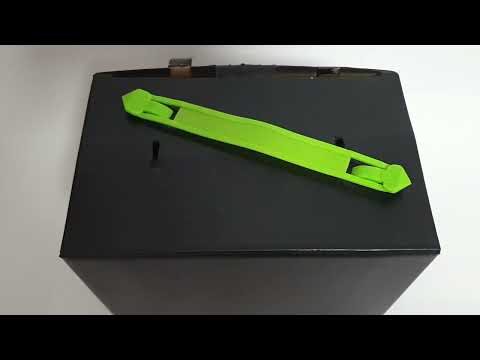
Collapsible or detachable handle designs slash shipping and storage costs by significantly reducing volume. Handles shipped flat occupy a fraction of the cube space compared to fixed versions, allowing higher pallet density per shipment. This compactness follows a clear sequence: first, handles are stacked flat in bins, then boxed tightly without air gaps, and finally palletized for freight. The result is lower per-unit transport fees and warehouse footprint. For storage, nested components slide into small racks, freeing floor space for other inventory. No bulky protrusions mean less damage during transit, cutting replacement waste. Every collapsed shipment requires fewer trucks, delivering immediate freight savings.
- Nest handles during production to maximize carton capacity.
- Stack flat-packed cartons onto pallets to reduce height.
- Store collapsed stock in compact shelving to free warehouse aisles.
Trade-Offs Between Material Thickness and Long-Term Durability
For plastic carry handles, the trade-off between material thickness and durability directly dictates cost versus reliable performance. A thinner handle reduces material expense and cycle time, but compromises long-term durability, leading to cracking under repeated heavy loads or UV exposure. Conversely, increasing gauge thickness for sustained load cycles raises per-unit cost and production cooling time, yet ensures the handle withstands stress without brittle fracture over the package’s lifespan. The optimal balance occurs where thickness meets the required fail-point without over-engineering, maximizing both shelf-life reliability and production efficiency.
- Thicker handles prevent stress-whitening and cracking during temperature shifts but increase resin consumption.
- Minimal thickness reduces material cost and injection cycle time but risks handle deformation under prolonged tension.
- Targeted ribbing can compensate for reduced gauge, preserving strength without adding bulk for long-term use.
- Excessive thickness can cause sink marks and longer cooling, negating cost savings from added durability.
Market Trends Influencing Handle Adoption

Consumer demand for portability directly drives handle adoption, as bulk packaging for e-commerce and retail requires reliable carry solutions. A shift toward larger, heavier containers makes the ergonomic comfort of a well-placed plastic carry handle a decisive purchase factor. Shoppers consistently choose packs with integrated handles over those without, making this feature a silent but powerful sales tool. The rise of subscription and meal-kit services has made the ease of transport for awkwardly shaped packages a baseline expectation. Yet the most compelling trend remains the quiet pivot from single-use to reusable handles, which transforms a simple utility into a retention device for refillable bulk products. This practical evolution positions the plastic carry handle not as an add-on, but as a core design element for modern packaging.
E-Commerce Growth Driving Demand for Secure Lift Points
The surge in e-commerce packaging demand directly elevates the need for secure lift points integrated into plastic carry handles. Parcels now face rough sorting, drops, and stacking during last-mile delivery, requiring handles that withstand sudden jerks without tearing. A reinforced, molded lift point ensures the handle remains anchored to the box during single-hand carrying, preventing load shift or handle detachment. This design prevents injuries from collapsing packaging and protects contents from impact damage when carriers grab and swing packages rapidly.
- Handles must include stress-tested lift points to handle repeated, high-velocity lifting movements during sorting.
- Molded lift points eliminate reliance on adhesive attachment, which can fail under dynamic e-commerce loads.
- Secure lift points allow for a firm grip on unevenly packed boxes without handle rotation or slippage.
- Integrated lift points improve ergonomics for delivery staff who lift hundreds of similar packages daily.
Retail Shelf Appeal of Streamlined, Handle-Integrated Packs
Streamlined, handle-integrated packs enhance retail shelf appeal by eliminating bulky, external handle attachments that disrupt clean product lines. The handle, molded directly into the package’s contour, creates a seamless silhouette that reduces visual clutter and allows brand graphics to flow uninterrupted. This design improves ergonomic perception, as shoppers subconsciously register the carry point without obstruction. For effective display, follow this sequence:
- Ensure the integrated handle aligns with the pack’s center of gravity for balanced, stable shelf placement.
- Use transparent or low-profile plastic to maintain visibility of the product through the handle cutout.
- Test that the handle shape nests uniformly with adjacent units, preventing gaps that waste retail space.
This direct integration communicates premium quality and convenience, encouraging impulse picks from shelf edges.
Regulatory Shifts Toward Reduced Secondary Packaging
Regulatory shifts toward reduced secondary packaging are directly changing how you use a plastic carry handle. These rules often target unnecessary outer boxes or wraps, meaning your handle might now attach directly to a primary container without a bulky cardboard sleeve. This makes the handle attachment method critical, as it must securely grip the product’s own surface. To comply, you might need handles with adjustable grip designs or integrated clips that bypass extra layers. Rethink your packaging setup to let the handle do more with less excess material.
- Choose handles that attach directly to primary packaging, skipping outer cartons entirely.
- Ensure handle clips or straps work with non-standard surface textures (e.g., glass or plastic bottles).
- Opt for detachable handles that reduce waste during recycling, aligning with removal mandates for secondary layers.
Case Study: Lightweight Handles in Home Improvement Retail
A home improvement retailer case study on lightweight handles reveals that switching to thinner-gauge polypropylene handles on 5-gallon paint buckets cut shipping weight by 12%. This allowed store staff to restock high shelves without ladders, reducing injury claims. The study’s sequence was:
- Replacing bulky handles with reinforced, hollow-core designs.
- Conducting load tests to confirm the handles held over 50 lbs.
- Rolling out the lightweight handles across all regional distribution centers.
The practical outcome was faster checkout times, as cashiers could lift and scan multiple buckets in one motion. This case proves that handle weight directly impacts floor-level labor efficiency.
Case Study: Compostable Handles for Organic Pet Food Bags
This case study demonstrates that compostable handles for organic pet food bags effectively eliminate plastic waste without sacrificing bag portability. The handles, made from certified compostable biopolymers, integrate directly into the bag’s seal, supporting weights up to fifteen pounds without tearing. Pet owners can tear off the handle and compost it with food scraps, simplifying disposal. Manufacturers reduced their material footprint by replacing injection-molded plastic fits with fully biodegradable attachments, matching the organic brand’s eco-promise. These handles undergo industrial composting in under twelve weeks, proving that functional, user-friendly carry solutions can be entirely plastic-free in a practical, high-use packaging context.
Failure Analysis: Brittle Fracture in Recycled Material Handles

Brittle fracture in recycled material handles originates from contaminants and molecular degradation introduced during reprocessing. Microscopic voids or impurities act as stress concentrators, initiating cracks under tensile loads during lifting. Fractography reveals cleavage facets rather than ductile dimples, confirming low-energy propagation. Reducing regrind content below 30% or incorporating impact modifiers can mitigate this. The primary failure mode is sudden, load-dependent breakage at the handle’s thinnest cross-section. Q: How does post-consumer contamination cause brittle fracture? A: Contaminants like paper or incompatible polymers create weak interfaces, while chain scission from thermal recycling cycles reduces entanglement density, both lowering critical fracture toughness.
Automated Insertion Systems for High-Speed Assembly Lines
Automated insertion systems for high-speed assembly lines now integrate precision robotic placement to attach plastic carry handles at rates exceeding 120 units per minute. These systems use vision-guided grippers to orient handles correctly onto bottle necks without jamming, drastically reducing downtime from misfeeds. A vacuum pick-and-place mechanism eliminates the need for manual handle straightening, ensuring consistent seal integrity. Q: How do these systems handle different handle sizes? A: They employ interchangeable tooling heads that auto-adjust to varying handle gauges, allowing line changeovers in under three minutes without reprogramming.
Robot-Compatible Handle Designs for Picking and Palletizing
Robot-compatible handle designs for picking and palletizing must feature precise geometric consistency for automated gripper alignment. Handles now integrate flat, unobstructed top surfaces to allow vacuum suction cups a reliable seal, while side cutouts enable parallel-jaw grippers to clamp without slippage. The sequence for optimized robotic interaction involves:
- Molding handles with rigid, flash-free edges to prevent sensor misreads,
- Incorporating tactile notches that guide end-of-arm-tooling into a repeatable grip point,
- Engineering handle apertures to match standard European palletizer pitch patterns for direct drop-off.
Every curve is calculated to avoid snagging during high-speed swing motions, ensuring seamless transfer from conveyor to pallet.
Future Innovations in Carrying Solutions
Future innovations for the plastic carry handle will focus on ergonomic breakthroughs and material efficiency. We’ll see handles that mold to your hand’s pressure points, using smart polymers to redistribute weight.
This means a single-handle grip could feel as balanced as carrying two handles, reducing strain without adding bulk.
Expect biodegradable composites that still flex under heavy loads, or built-in clip-locks that let you attach multiple bags together for stable, multi-pack carrying. The handle itself might eventually double as a reusable strap, detaching from the packaging for a second life.
Smart Handles with RFID Tags for Inventory Tracking
Smart handles with RFID tags transform the plastic carry handle into an active inventory node. Each embedded tag broadcasts a unique identifier, enabling real-time scanning without line-of-sight requirements. The logical sequence for implementation includes:
- Encoding the tag with batch or SKU data during handle molding.
- Associating the handle to its specific container or pallet load.
- Bulk-reading handles as they pass through portal readers at loading docks.
This design eliminates manual counting, reduces picking errors, and streamlines warehouse logistics by linking each plastic carry handle directly to its inventory record. The handle itself becomes a durable, reusable tracking asset rather than a disposable component.
Self-Healing Polymer Blends for Extended Reuse
Imagine a plastic carry handle that can fix its own small cracks or abrasions. Self-healing polymer blends make this possible by integrating microcapsules that release a healing agent when damage occurs, essentially repairing the material at a molecular level. This means a handle nicked during shipping or everyday use can regain its strength without special treatment. For you, this translates to carrying handles that stay reliable and intact through repeated reuse, reducing the need for replacements. It’s a practical step toward extending handle lifespan naturally.
- Microcapsules release a liquid healing agent when stress cracks form
- The repair process works at room temperature without user intervention
- Repeated healing cycles maintain handle integrity over multiple uses
- Blends resist wear from handling, making handles more durable long-term
Modular Handles That Allow Stacking or Interlocking Containers
Modular handles for packaging now integrate interlocking geometries that enable stable container stacking during transport. These handles feature recessed keyed slots and protruding tabs, allowing containers to snap together vertically or horizontally without separate racks. Such stackable container handles reduce shifting in transit by locking adjacent units into a single load. The handle design includes load-bearing ribs that distribute pressure evenly across the interlocked stack, preventing handle failure when lifting multiple linked containers.
- Interlocking tabs with tapered guides ensure alignment without manual adjustment
- Stacking handles incorporate shear-resistant male-female connectors for automated palletizing
- Removable handle modules allow transport of single containers while retaining interlock functionality for bulk loads